Metals play an important role in a variety of health conditions. Heavy metals, other metal such as zinc, iron and copper as well as mineral excesses are shown in Hair Tissue Mineral Analysis testing.
Excess metals are associated with a wide variety diagnoses. Everyone has exposure to heavy metals in our modern world and no one will be without some level of metal disregulation that can be improved on, based on the results of a hair test. Some people will not even being excreting tissue metals that have been held a long time in their tissues until such time as the key mineral balances are corrected with proper nutritional supplementation.
Arsenic
Resistant weight loss, weight gain, fatigue, abdominal pain, anorexia, brittle nails, burning in mouth/esophagus/stomach/bowel, cancer, confusion, convulsions, dermatitis, diarrhea, drowsiness, edema, fever, garlicky odor to breath or stool, goiter, hair loss, headache, herpes, hyperpigmentation of the nails and skin, increased risk of liver/lung/skin cancers, interferes with the uptake of folic acid, inhibition of sulfhydryl enzyme systems, jaundice, keratosis (hardening of the skin of palms and soles of feet), kidney and liver damage, liver fibrosis, mucus in nose and throat, muscle aches and spasms, muscle weakness, nausea, nervousness, peripheral neuritis, respiratory tract infection, sore throat, stomatitis, swallowing difficulty, sweet metallic taste, throat constriction, vasodilation, vertigo, vitiligo, vomiting, impaired healing, and weakness.
Manganese(at imbalanced levels, this is an essential mineral) Neurological symptoms, nervous system damage (may be permanent), anorexia, anger, ataxia, schizophrenia (unemotional behavior), extreme criminal behavior (psychopathology), iron deficiency, Parkinson’s disease (or symptoms similar to it), hearing loss, headaches, brain fog. Manganese often accumulates in the ears and pons and cerebellar region of the brain.
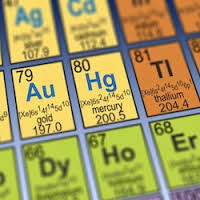
Mercury
Acne, acid reflux, adrenal gland dysfunction/adrenal fatigue, allergies, alopecia, Alzheimer’s disease, Amylotrophic Lateral Sclerosis (ALS), anger, ankylosing spondylitis, aneurysm, anorexia, anxiety, apathy, asthma, ataxia, Attention Deficit Disorder (ADD), Attention Deficit Hyperactivity Disorder (ADHD), autism, autoimmune disease, bipolar disorder, birth defects, bladder disease (chronic), blushing, borderline personality disorder, brain damage, bruising, bruxism – grinding teeth while sleeping, bulimia, cancer, cataracts, cerebral palsy, chronic fatigue, colitis, constipation,, elevated blood calcium, coronary vascular disease, Crohn’s disease, poor coordination/jerky movements, deafness, depression, dermatitis, dementia, developmental delays, discouragement, dizziness, drowsiness, dysarthria (characterized by slurred or slow speech due to weakness or poor control over the muscles used for speech), eczema, emotional disturbances, enlarged prostate, excess saliva, fatigue, flatulence, floaters in the eyes, fibromyalgia, forgetfulness, gastritis, gum bleeding and soreness, headaches (band type), hearing loss, heart arrhythmia (irregular heartbeat), high cholesterol, hormone dysregulation, hyperactivity, hypoglycemia/hyperglycemia, hypothyroidism, immune system dysfunction or damage, inflammation of mucous membranes (chronic), insomnia, irritability, Irritable Bowl Syndrome (IBS), joint pain, kidney damage, leaky gut, loss of self-control, Lupus, manic depressive disorder, memory loss, metallic taste, migraines, mole formation, Multiple Chemical Sensitivity (MCS), Multiple Sclerosis (MS), mood swings, muscle weakness and tremors, nausea, nervousness, nerve fiber degeneration, numbness and tingling or “Pins and Needles” sensation, oily skin, Obsessive-Compulsive Disorder (OCD), Parkinson’s disease, pain in limbs, panic attacks, paralysis, peripheral vision loss, photophobia (sensitivity to light from weak iris response), rashes, retinitis, excessive salivating, schizophrenia, sciatica, excessive shyness, sleep disorders, speech disorders, spider veins, suicidal thoughts or tendencies, thyroid dysfunction, timidity, tinnitus (ringing in ears), tooth decay, transient ischemia attacks or stroke, tremors, and vomitting.
Molybdenum
Gout, hair loss, anemia, loss of hair color, osteoporosis, weight loss.
Nickel Disruption of hormone and lipid metabolism, fever, abdominal pain, asthma, blue color may appear on the skin, bronchitis, cancer – oral, lung, or intestinal, cyanosis, non-productive cough, decreased lung function, depression, dizziness, diarrhea, dyspnea or difficulty breathing, eczema, fever, headache, heart attack, heart palpitations, hemorrhages, insomnia, irritability, kidney damage and dysfunction, low blood pressure, lung damage, malaise, muscle tremors, nausea, “nickel itch”, or nickel dermatitis consisting of an itching of the fingers, hands, and forearms, paralysis, rash, respiratory distress or shortness of breath, suicidal thoughts, tachycardia, tetany, tightness in the chest, vertigo, visual disturbances, vomiting
Palladium Causes damage and degradation of DNA, exacerbates hydroxyl radical damage, damages cell mitochondria and inhibits enzyme activity and function, allergic reactions such as contact dermatitis, stomatitis, lichinoid reactions, periodontal gum disease, increased salivation, obstruction of important enzyme systems like creatin-linase, aldolase, alcalite phospatase, carbon-anhydrease, trypsin, chymotropsin, cellulase, disturbance of collage synthesis like bone and cartilage, obstruction of thymidin in the DNA, pain in teeth and jaw, burning tongue, cold feeling in mouth, increased salivation, metal taste, peeling of mucous membrane around teeth, fungus like coating in throat and sore throat, painful, swollen lymph nodes in the neck, extreme nervousness, extreme tiredness, confusion, memory loss, dizziness, migraine headaches, burning of eyes, allergies, impairment of immune system, blisters on body, dying of the teeth, granulomas, puss pockets with dead tissue, swollen tongue, nerve pain in the face, paralysis of face, muscle cramps of tongue, lips, around eyes, sinus infection, bronchitis and lung ailments without clear reason, difficulty breathing at night, problems with stomach, intestines, liver, bladder, kidneys, weight loss, joint and muscle pain, muscle cramps and weakness, ear noise, visual disturbance, depression, insomnia, outbreaks of sweat, palpitations, difficulty concentrating.
Potassium (at imbalanced levels, this is an essential mineral) Abnormal heartbeat, diabetes, Hyperkalemia, kidney disease
Rubidium hyperthyroidism
Sodium (at imbalanced levels, this is an essential mineral)
Hypertension, osteoporosis, asthma, urinary stones.
Strontium Bone deformities, impaired bone growth, bone tumors, and chronic renal failure.
Thallium Fatigue, abnormal heart rhythms, abnormal reflexes, abnormal vision, abdominal pain, agitation, alopecia, atrophic changes of the skin, blood in stool, bone marrow depression, brain fog, breakdown of red blood cells, burning sensations that are unusual and painful, coma, confusion, constipation, convulsions, chronic fatigue, degenerative changes of the heart, liver and kidney, delirium, dementia, depression, diarrhea, dry and crusty scaling of the skin, encephalopathy, excessive salivation, excessive tiredness, fever, gastrointestinal problems, gluten sensitivities, hallucinations, hair loss (temporary and permanent), headaches, heart damage, high blood pressure, increased radiopacity of the liver, inflammation of the mouth, lips, and gums, insomnia, kidney damage, leg pain, loss of appetite, loss of reflexes, muscle aches and weakness, muscle tremors, nausea, nail changes (Mee’s lines), numbness in extremities like fingers and toes, polyneuritis, respiratory paralysis, respiratory failure, seizures, severe acne, skin eruptions, skin hyperesthesia (mainly in the soles of the feet and the tibia), stomatitis, sub-archanoid hemorrhage, tachycardia, urine discoloration (green) shortly after exposure, vision disturbances, vomiting.
Tin Fatigue, abdominal pain, breathlessness, cholangitis of the lower biliary tract, convulsions, cough, decreased pulmonary function, diarrhea, dizziness, dyspnea (breathing difficulty), eye irritation, eye soreness, fatigue, hallucinations, headaches, heart palpitations, kidney problems, liver problems, nausea, peripheral neuropathy, psychotic behavior, severe sweating, skin irritation, skin rash, stannosis (benign pneumoconiosis), stomach complaints, tremors, vomiting, can affect estrogens and androgens (hormones associated with the development of sexual organs).
Accurate tissues levels of mercury and aluminum which are contained in vaccines , mercury from dental amalgams, and environmental exposures of other heavy metals can all be discovered easily through hair testing.
“There is no such thing as a medical disease…there is only metabolic dysfunction that is CAUSED by mineral deficiencies.” Morley Robbins
Toxic Heavy Metals Are Everywhere! Once someone has been exposed to a toxic metal, they can be found throughout the body, in tissues and inside the cells themselves. Very soon after exposure, a toxic metal leaves the blood and is either eliminated or stored in other organs and tissues of the body long term. Blood tests are not effective in identifying the actual tissue levels of toxicity, unless the contamination is recent within a week or two, or unless it is a continuously occurring exposure.
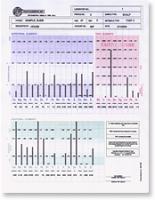
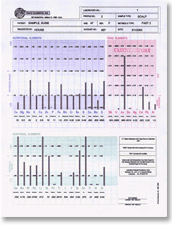
The HTMA Hair test provides a comprehensive analysis report with detailed graphs for 8 toxic metals, as well as and 9 toxic metal ratios. Toxic metals do not always show up on a hair analysis test on the first test. Depending on the state of your body’s energy levels, it may take several tests before the toxic metals show up in the hair.
Toxic Heavy Metals In Hair Testing There are 8 toxic elements in the hair test. These heavy metals are understood for their interference upon normal biochemical function and causing numerous imbalances in the body.
Aluminum Disorders associated with aluminum toxicity include: Autism, Alzheimer’s Disease, anxiety, conjunctivitis, eczema, upper airway irritation, pneumoconiosis, and especially with dialysis persons, neurotoxicity and osteomalacia.
Antimony Disorders associated with antimony toxicity include: Cardiotoxicity which occurs with antimony pharmaceuticals. Occupational exposure which includes irritation of mucus membranes, eczema, chemical burns, perforation of the nasal septum, antimony spots, benign pneumoconiosis and possible lung cancer risk. Antimony in combination with a strong acid leads to stibine toxicity with hemolysis, shock, CNS symptoms and death due to anuria.
Arsenic Disorders associated with arsenic toxicity include: Acute effects of vomiting, colic and diarrhea, fever, cardiotoxicity, shock, and death. Inhaled arsine causes dizziness, headache, hemolysis, jaundice, kidney damage and death. Chronic effects include sensorimotor neuropathy, eczema, hyperkeratosis, hyperpigmentation. Vascular effects including Raynaud’s Syndrome, acrocyanosis and necrosis. Arsenic toxicity is also associated with lung cancer.
Beryllium Disorders associated with beryllium toxicity include: Acute effects of allergic dermatitis and chemical pneumonia. Chronic effects of beryllium are berylliosis – granulomatous lung disease.
Cadmium Disorders associated with cadmium toxicity include theacute effects are toxic pneumonitis, which is the inflammation of the walls of the alveoli in the lungs. Chronic effects include renal dysfunction, nephropathy and osteomalacia. Long term exposure can result in emphysema and lung cancer.
Lead Disorders associated with inorganic lead toxicity include encephalopathy, seizures, decreased intellectual performance of children, anemia and lead palsy in adults. Acute effects include nephro toxicity, GI upset anorexia, dysphagia, constipation, renal dysfunction, dental caries and periodontitis, tooth loss . Organic lead toxicity can cause sleepiness, dizziness, fatigue, insomnia and psychosis.
Mercury Disorders associated with acute exposure to mercury by inhalation include chemical pneumonitis and pulmonary edema. Ingestion of organic compounds of mercury can cause gastro-intestinal irritation, vomiting, bloody diarrhea and stomach pains. Dermal exposure of mercury can cause contact dermatitis. Mercury toxicity and central nervous system effects include erethism, restlessness, insomnia, difficulty concentrating and memory deficits and intention tremor and gingivitis. Nephrotoxic effects. In children mercury toxicity can result in pink disease which is a reddish scaly skin eruption. Methyl mercury toxicity causes paraesthesias, ataxias, visual field defects and deafness. Congenital exposure of mercury may lead to cerebral palsy.
Uranium Disorders associated with uranium toxicity include serious medical consequences. The kidneys though are considered the primary target organ for uranium chemical toxicity. Health conditions associated with uranium toxicity include: non-malignant respiratory disease such as fibrosis, emphysema and nephrotoxicity. Reproductive and developmental health issues are also reported. Extremely high acute exposures have also been lethal due to renal failure from oral or inhaled exposure or pulmonary failure from inhalation exposure.
Other Toxic Metals Identified In A Hair Test Include
Barium Exposures: Utilized in drilling muds, glass, ceramic glazes, paper, pesticides, and X-Ray contrast material. Disorders: Inhalation with insoluble form causes benign pneumoconiosis (Baritosis) and soluble salts cause hypokalemia. Acute poisoning of barium results in smooth muscle stimulation, vomiting, colic, diarrhea and eventual paralysis.
Chromium Exposures: Present in food and water especially in Northern Europe. It is an essential trace element. Used in the steel industry, welding, photographic emulsions and wood preservatives. Hexavalent Cr (VII) is more toxic then trivalent Cr (III). Disorders: Cr (VI) – Corrosion of the nasal septum and circumscribed ulcers or chrome holes. Cr (III) – allergen, eczema and asthma. Lung cancer.
Cobalt – It is also an essential trace element. Exposures: Production of hard metal, which is cemented by a cobalt binder. Cobalt compounds are in catalysts and in desiccators. Disorders: Airway irritation, asthma and “hard metal pneumoconiosis.” Eczema, especially in the hand. Cardiomyopathy has been reported among beer drinkers.
Copper – It is also an essential trace element. Exposures: Production of electric equipment, alloys, plumbing and heating systems. Disorders: Metal fume fever. Patients with Wilson’s disease are at risk for copper toxicity.
Iron – It is also an essential trace element. Exposures: Toxic effects are manifested with overdose of Iron supplements. Foundry workers, grinders, welders are exposed to Iron Oxide fume. Disorders: Overdose – GI upset/lesions, metabolic acidosis, toxic hepatitis and shock. Chronic overload – Hemachromatosis – hemasiderosis, liver cirrhosis and cancer. Inhalation – Pulmonary siderosis.
Nickel Exposures: Used in alloys, surface treatment of metals, catalysts in electronics and production of nickel-cadmium batteries. Disorders: Cancer of the nasal sinuses and lung cancer. Contact eczema. Nickel carbonyl may cause shortness of breath, headache, dizziness, abdominal pain, vomiting, pulmonary symptoms, cerebral toxicity and death.
One of the biggest exposures of toxic levels of mercury is from vaccinations. Mercury is also evaporated in the atmosphere. Inorganic mercury is methylated in the marine environment by microorganisms and then accumulates in fat deposits of fish.
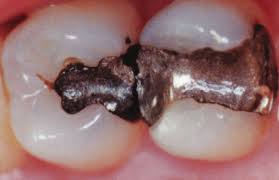
Sources Of Mercury Toxicity Mercury is used in the manufacture of thermometers, manometers, electric equipment, fluorescent light bulbs, pharmaceuticals and pesticides. Used in amalgam for dental filling.
Disorders associated With Mercury Toxicity
Acute exposure to mercury by inhalation includes chemical pneumonitis and pulmonary edema.
Ingestion of organic compounds of mercury can cause gastro-intestinal irritation, vomiting, bloody diarrhea and stomach pains.
Dermal exposure of mercury can cause contact dermatitis.
Mercury toxicity and central nervous system effects include erethism, restlessness, insomnia, difficulty concentrating and memory deficits and intention tremor and gingivitis. Mercury also effects the kidneys and renal function.
In children mercury toxicity can result in pink disease which is a reddish scaly skin eruption.
Methyl mercury toxicity causes paraesthesias, ataxias, visual field defects and deafness. Congenital exposure of mercury may lead to cerebral palsy.
Mercury Toxicity Has Several Factors:
Injection vs. ingestion or vapor exposure.
The chemical form of mercury – inhalation of vapor is worse than inorganic which may be worse than organic.
The dose or amount of mercury for example and the number of vaccines
Age of person – a fetus, neonate, and infants are much more susceptible to lower doses of mercury
Length of exposure – longer exposures the more dangerous
Route of exposure – inhalation is worst, followed by ingestion and then skin exposure
Persons overall health status before exposure and medical issue do worse than healthy people.
The central nervous system is a major target of mercury.
Both high and low dose exposure can produce significant long-term neurological damage.
Neurological symptoms attributed to mercury intoxication include ataxia, deafness, psychosis and loss of speech.
The nervous system is sensitive to all forms of mercury.
Exposure to high levels can damage the brain and kidneys.
Pregnant women can pass the mercury in their bodies to their babies and through breast milk.
Mercy As Thimerosal in Vaccines
Mercury is used as a preservative in many vaccines including flu shots.
Remember the word “thimerosal” means it contains 49.6% mercury.
Thimerosol is 50% mercury by weight is uses as a preservative in many vaccines.
Mercury (and aluminum) is injected into millions of infants and children yearly, causing significant heavy metal toxicity and while those children’s immune systems or at their weakest.
Many flu shots still contain mercury. Never get a flu shot! Homeopathic remedies easily treats influenza, effectively.
Rhogam Shots: Until about 2001, each Rhogam shot had 25 mgm of mercury in it. Read more here https://www.vaccinetruth.org/rhogam.html. Although thimerosal free RhoGAM became available in 2002, the supply of mercury-containing RhoGAM is still on the market.
In studies, 53% of mothers of autistic children are Rh negative, while only 3% of mothers of normal children are Rh-negative.
Hep B had mercury until 2007. Hepatitis B contained as much as 12.5 micrograms of mercury per dose. When Engerix-B was licensed as a thimerosol free version of the vaccine in January 2007. However, all formulations contain approximately 0.5 mg of aluminum per mL of vaccine instead.
Vaccines with mercury include these and others:
Flu shot – Fluzone, Flulaval, or Fluvirin (25 mcg)
Hep B – Engergix (3 mcg)
DTaP – Tripedia (3 mcg)
DTaP/Hib Combo – TriHIBit (3 mcg)
In 2001, except for influenza (flu), thimerosal was removed from or reduced in all vaccines routinely recommended for children 6 years of age and under manufactured for the U.S. market. But all formulations contain aluminum instead, which is also highly toxic.
Russia banned thimerosal from children’s vaccines in 1980.
Denmark, Austria, Japan, Great Britain and all the Scandinavian countries have also banned the preservative.
Amalgam (mercury) fillings are 50% mercury by weight.
Mercury fillings off gas 1 microgram of toxic mercury into the body, per filling, per day.
Chronic mercury poisoning from amalgam fillings takes time to accumulate and express a related symptom. Sadly, the American Dental Association (ADA) and pro-amalgam dentists continue to say that the mercury released from these fillings is not a health hazard. They are wrong!
Never get amalgam fillings in your teeth! If you have them, the must be removed safely using a holistic dentist.
To find a holistic dentist for SAFE amalgam (mercury) dental filling removal, go to www.iaomt.org.
Toxic mercury vapor is continually being released from amalgam fillings where 80% of it enters the body and accumulates in it. Be sure to watch the video of the “Smoking Tooth” when you are there to see mercury vapor from a filling.
Mercury is present in contact lens solutions, cosmetics and drugs and other biological products as thimerosol.
There are, at last count, over 100 FDA-approved pharmaceutical products which contain mercury!
The typical amount of mercury in these products is 50,000 ppb.
To put this in perspective, the EPA requires liquid waste which exceeds 200 ppb of mercury to be sent to a special hazardous waste landfill and according to the EPA, drinking water cannot exceed 2 ppb of mercury. So if these products are not used, they must be disposed of as hazardous waste.
Several decades ago, mercury-containing products were popular for lightening or bleaching the skin. Now any amount at or above 1 ppm is subject to strict regulatory action.
FDA did make an exception for cosmetics intended for use only in the area of the eye. This exception applies only for preservatives in eye-area products such as eyeliners and mascara.
This exception does not apply to creams and lotions. According to the Environmental Working Group there were 6 mascara products in the U.S. that contained the mercury based preservative thimerosal, but they have been phased out of use and are no longer available.
These terms in cosmetics mean it contains mercury – read your labels!
Mercurous chloride
Calomel
Mercuric
Mercurio
Mercury
Mercury in Environmental Exposures
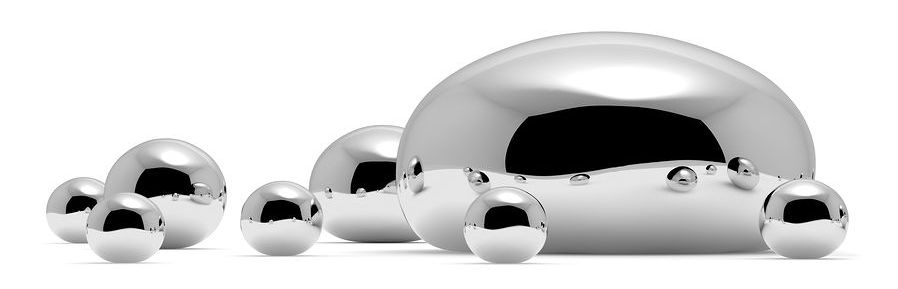
Mercury is found in air, water and soil. If heated, it forms a colorless, odorless gas and combines with other elements to form powders or crystals. Metallic mercury is used in glass thermometers, silver dental filling and button batteries. Mercury salts may be used in skin creams and ointments. Mercury can pass through the food chain and build up in fish, shellfish, and animals that eat fish. Mercury can directly or indirectly cause, contribute to, or make worse every single health issue.
Mercury is evaporated in the atmosphere.
Mercury is the most poisonous, non-radioactive, naturally occurring substance on earth.
The World Health Organization (WHO) has stated that there is no safe level of mercury.
Even one atom of it in your body is doing some harm to it.
Inorganic mercury is methylated in the marine environment by microorganisms and then accumulates in fat deposits of fish and seafood.
Mercury is used in the manufacture of thermometers, manometers, electric equipment, fluorescent light bulbs, pharmaceuticals and pesticides.
Our HTMA Director and associated Practitioners are experienced specialists with extensive training in HTMA and related therapies. They have worked with hundreds of hair tests for clients using Trace Laboratories. This hair testing lab is located in the USA and provides the latest technology so that we may provide our clients with a detailed report of their precise minerals, mineral ratios and heavy metals in a 100% accurate, detailed report. An HTMA is most affordable, non-invasive way to learn about your body’s unique biomedical status. Hair testing is 100% reliable and has been used for over 200 years. Hair testing will reflect the actual tissue content over the past several months. The HTMA testing and report is used to coordinate your health care plan with a customized nutrition and homeopathy combined, that will address the specific conditions of your body in an intelligent way.
HTMA Practitioner’s Training and Experience
Hair Analysis and The New Nutrition Seminars: Audio lecture series taught by Dr. Paul C. Eck and Dr. Larry Wilson, The Eck Institute of Nutrition and Bioenergetics.
Hair Tissue Mineral Analysis ractitioner Forums: Ongoing active involvement in professional forums, discussions and webinars with other HTMA practitioners and experts in the field of HTMA including Dr. Rick Malter and Dr. Robert Selig.
Nutritional Therapeutics and Hair Tissue Mineral Analysis Seminars: Lectures series for HTMA Practitioner taught by Dr. David Watts.
Homeopathy: Extensive professional training and many years of clinical experiencewith classical homeopathy, Banerji protocols and other homeopathic methods of mineral rebalancing. Additional specialties include CEASE therapy and homeopathic detox therapy for the efficient detox of drugs, chemicals, heavy metals and vaccines.
Nutrient Therapies: Extensive study of the nutrient therapies for aluminum toxicity, copper toxicity, mercury toxicity, methylation status and pyroluria incorporating the effective clinical methods.
Our HTMA Director and associated Practitioners have a success working with hundreds of clients for many years, with diagnoses in these areas:
High levels of copper and other mineral imbalances are frequently seen in hyperactive children and both children and adults diagnose with ADHD.
About ADHD
Attention-deficit hyperactivity disorder (ADHD) a set of symptoms that include inattention, distractibility, impulsivity and hyperactivity. ADHD results in behaviors that affect all aspects of a person’s life. The neurobiological basis for ADHD is thought to be related to the brain’s chemical neurotransmitters, particularly dopamine and norepinephrine. At younger ages, ADHD shows up primarily as hyperactivity. There is often daydreaming and careless mistakes in childhood that become inner restlessness, failure to plan ahead, incomplete projects and forgetfulness. Inattentiveness and problems with organization and executive functions are seen at later ages as life’s demands increase or symptoms overwhelm a person’s ability to cope.
High Copper Levels and ADHD or Hyperactivity There is a often strong correlation to those high in copper with other altered minerals and heavy metals relationships than can trigger symptoms of ADHD or hyperactivity. Doing a hair test will inform you of your exact mineral status and help you determine the actual level of unbound copper as well as other nutrient imbalances. Once these imbalances are corrected with nutritional rebalancing, the symptoms of headaches or migraines can be reduced.
Causes of ADHD
Vaccinations Toxic vaccines alter gene expression, harm the gut and reduce the immune system. All vaccines contain toxic amount of either aluminum or mercury. The onset of ADHD symptoms are connected with the injection of heavy metals that alter mineral functions in the body.
High Copper
High copper plays a key role in ADHD. Toxic copper is normally removed by natural processes in the body. Some individuals can’t get rid of copper biochemically. Copper is hyper-excitable to our nervous systems. Too much copper short circuits detox processes and results in inattention or hyperactive behaviors. Neural activity can be affected by a copper overload. Hair tests are done to show the actual level of copper relative to other minerals and metals in the body. High copper impacts hyperactivity, focus, attention and anxiety. Copper is inversely related to low zinc. People with high copper can not regulate Gamma Amino Butyric Acid (GABA) which is one of the calming neurotransmitters present in the brain. The correct balance between copper to zinc in a hair test helps to shift the symptoms of ADHD. Heavy metal imbalances means that copper stays high and zinc is low in the body. Excess copper and low zinc both require specific nutrient supplementation to keep the ratio at an optimal level.
Undermethylation
Those diagnosed with ADHD are predominantly in the undermethylation category. Methylation is the ability of the body to turn on or off certain enzymes, hormones, neurotransmitters, different chemicals by way of certain methyl groups. Methyl groups have one carbon atom bonded with three or more hydrogen atoms. Methyl groups can radically alter you, perceptions and behavior. People with few methyl groups are called undermethylators. Undermethylators are competitive, perfectionistic, persistent, high achieving and often have allergies (high histamine means low methyl in the body.)
Overmethylation
People with too many methyl groups, are called overmethylators. They are usually more laid back. They are also often thrill seekers. Overmethylation plays an important role in the presentation of ADD symptoms. This subset of ADD can often be seen as an early presentation of bipolar disorder.
Yeast Toxicity Yeast toxicity if often present in children with ADHD. This is due to the use of antibiotics in infancy and early childhood that creates a leaky gut. Poor focus, attention, impulsivity and anxiety are often related to yeast toxicity. Natural treatment of yeast toxicity based on hair testing can resolve symptoms of ADD and ADHD. Often treatment takes three to six months before symptoms resolve, and treatment may need to be repeated in the course of a year to keep the yeast toxicity from reoccurring.
Common Signs and Symptoms Of ADHD
Predominantly inattentive type of ADHD symptoms:
Easily distracted, miss details, forget things, and frequently switch from one activity to another.
Have difficulty maintaining focus on one task.
Become bored with a task after only a few minutes, unless doing something enjoyable.
Have difficulty focusing attention on organizing and completing a task or learning something new or trouble completing or turning in homework assignments, often losing things (e.g., pencils, toys, assignments) needed to complete tasks or activities.
Not seem to listen when spoken to.
Daydream, become easily confused, and move slowly.
Have difficulty processing information as quickly and accurately as others.
Struggle to follow instructions.
Predominantly hyperactive-impulsive type of ADHD symptoms:
Fidget and squirm in their seats.
Talk nonstop.
Dash around, touching or playing with anything and everything in sight.
Have trouble sitting still during dinner, school and story time.
Constantly in motion.
Have difficulty doing quiet tasks or activities.
Very impatient.
Blurts out inappropriate comments, show their emotions without restraint and act without regard for consequences.
Have difficulty waiting for things they want or waiting their turns in games.
Heavy Metals and ADHD
Significant accumulations of heavy metals especially lead, mercury, aluminum, and cadmium and/or excess copper are found in the profiles of many ADD/ADHD children and adolescents.
Accumulations of copper, iron or manganese are often seen in children with ADHD and hyperactivity.
Significant imbalances in the essential nutrients involved in glucose regulation and cellular energy production are another factor.
Most ADHD individuals have adrenal impairment. While stimulant drugs like Ritalin “seem” to work by boosting neuro-psychological functioning, these drugs only further wear down the adrenals, making the same dose less and less effective over time.
For accurate hair tissue mineral analysis readings, you must know how to cut a hair sample and follow the correct procedure. Please read and follow these directions.
How To Cut A Hair Sample: Follow These Steps
Important! Do not contaminate the hair with Epsom salt baths prior to cutting a hair sample.
Epsom salts contain magnesium sulfateand submerging the hair prior in an Epsom salt bath will inflate the magnesium falsely in the hair test results.
Avoid any Epsom salt baths for 1 week prior to cutting a hair sample.
Important! If your home has a water softener:
Before sampling hair you must shampoo it twice with either unsoftened tap water or preferably reverse osmosis water from the supermarket.
Shampoo your hair the same day or the day before sampling it
After washing your hair, let it dry.
Then wait at least 4 hours to cut the sample but no longer than 24 hours.
Use a plain, simple shampoo.
Avoid Selsun Blue Shampoo. This contains a toxic form of selenium. A better dandruff shampoo, if needed, is Head N’ Shoulders.
Use a plain, simple shampoo.
Do notadd conditioner and do not place any other products on the hair after washing it on the day you will take the sample.
Do not send dirty, sweaty or greasy hair as your sample.
Cut the sample from anywhere on the head
Keep track of which end of the cut hair is from the scalp. The lab only wants the inch or so of hair that was directly against your scalp.
The hair furthest from the scalp is the oldest. Older (longer) hair will show the chemistry of your body months or even years ago, so it is not accurate for your body’s current chemistry.
Cut and discard the unwanted ends of the hair until all you have is the 1.5 inches or so (or about 3 centimeters) or less that was closest to the scalp.
Use a ruler to be sure you have the right length of hair.
It does not matter where on the head you cut it.
To avoid bald spots, cut several small samples from different areas on the head and combine them.
If you cannot use head hair, the second best choice for men is beard hair (see below).
You can also use pubic hair although it is not quite as accurate (see below).
Do not combine hair from different parts of the body in one hair envelope.
Cut the hair samples as close to the scalp as possible
Once you have cut the hair sample, set then down.
Cut off any hair that is more than about 1 inch, or about 2 centimeters long.
Shorter hair is excellent, and the shorter the better, in fact.
Do not send in hair that is longer than 1 – 1.5 inches long
Cut the sample from closet to the scalp.
Do notsend in hair that is cut from the ends of long hair.
Place the hair sample in a the small white envelope provided
If you do not have one, place it in a clean, paper envelope.
Do not send hair in plastic bags
Do not send hair in aluminum foil.
Send enough hair
The lab will require 125 mg of hair.
If you have the paper scale provided from the lab, it must tip for you to have enough.
If you do not have the paper scale provided, then completely fill a tablespoon with hair.
Print the client’s name on sampling label
Write legibly and put the age on the small hair sampling envelope.
If the person is a child, include their body weight.
Hair Salon For Cutting A Sample
If hair will be sampled by your hair stylist, make sure to print out and give the stylist these instructions.
Make sure you are using the scalp hair.
Many stylists cut the ends of the hair, which is incorrect and will not give accurate results.
Tints and Dyes
If possible, take a hair sample before dying your hair or take scalp samples of the outgrowth between coloring.
Tints and dyes do not affect the mineral part of the test because they do not contain any minerals so you may also sample dyed hair.
Ideally do not dye your hair as all, because hair dyes contain some chemicals.
If you want to dye your hair, use only a natural hair dye.
Permanents Or Bleached Hair
These treatments alter the structure of the hair somewhat.
Sample the hair before a treatment or wash the hair 10 times after a bleach or permanent treatment before sampling the hair.
Dyed hair can be used IF it is after 10 washings AND 4 to 6 weeks after the hair is dyed.
Shaved Head Hair Samples
If you shave your head, then cut with an electric razor what you can and save it in a paper envelope.
Then razor cut it again in a week or so.
Repeat a few times until you fill a tablespoon with hair or when you have enough to tip the scale if you have a paper scale to weigh hair.
Beard Hair Samples in Bald Men
If you are bald, then cut with an electric razor what you can and save it in a paper envelope.
Shave it again until you fill a tablespoon with hair or when you have enough to tip the scale if you have a paper scale to weigh hair.
Pubic Hair Samples
Pubic hair in adults can be used, but we primarily recommend scalp hair.
Pubic hair grows at a slower rate so the results are usually a little higher in the pubic sample.
The first sample is more a baseline report, the recheck is a current reading due to all new pubic hair growth.
Cut the pubic hair as close to the skin as possible for the sample and send in the same amount as you would for a hair sample.
Pubic hair will show a higher level of phosphorus than in head hair.
How To Cut A Hair Sample Note: your lab form and supplies are provided by www.HTMAexperts.com
(48 seconds)
How to Cut a Short Hair Sample Note: your lab form and supplies are provided bywww.HTMAexperts.com (3:18 minutes)
How to Cut a Hair Sample on a New Client with Medium to Long Hair Note: your lab form and supplies are provided by www.HTMAexperts.com
(4:03 minutes)
Collecting A Hair Sample for HTMA – Long Hair Note: your lab form and supplies are provided by www.HTMAexperts.com
(1:07 minutes)
Hair aluminum levels appear to correlate well with bone levels of aluminum.
Several hair tests may be needed before aluminum is revealed on the test.
This is because the aluminum may be tightly bound within body tissues, and several months on a nutrition program may be required to mobilize the aluminum.
Often associated with a SLOW oxidation rate, fatigue and depression.
A high magnesium level often indicates that magnesium is being lost through the hair, resulting in deficiency symptoms such as anxiety and hyper-irritability.
Low Hair Magnesium:
Often associated with a FAST oxidation rate, anxiety, irritability and high-strung personality.
Manganese – Manganese is called the maternal mineral because manganese-deficient animals cease to care for their young.
High Hair Manganese:
May be due to manganese toxicity derived from drinking water containing excessively high levels of manganese.
Low Hair Manganese:
Low hair manganese levels are extremely common. However, if the manganese level is below .03 it is considered very low.
Low manganese usually correlates with slow oxidation and low energy levels.
Low manganese is associated with lax muscle tone.
Low manganese is associated with possible Lyme disease infection.
Can be due to the use of shampoos containing selenium.
Mat indicate a loss of selenium through the hair.
Low Hair Selenium:
May be due to dietary deficiency, which is relatively common, especially among those who eat refined foods
Selenium may be given to help prevent or correct cadmium, mercury, or arsenic toxicity.
Selenium is an anti-oxidant and may be given to help protect against free radical damage.
Note that excessive selenium supplementation may be toxic (RDA 200 – 400 mcg daily).
In addition, there is extensive research presently being conducted on the functions of selenium and iodine with regard to thyroid function and it is becoming clear that there is an interaction between the two that should be noted.
Sodium – Sodium is referred to as the “volatility” mineral.
Note: Hair must not be washed at the laboratory to obtain accurate potassium readings.
Low Hair Sodium:
Excellent indicator of impaired adrenal gland activity.
Very low sodium is indicative of exhaustion.
Hair must not be washed at the laboratory for accurate readings.
High Hair Sodium:
Indicative of excessive adrenal gland activity.
Often indicates excitability and fast oxidation.
Sodium levels can be elevated by toxic metals, especially cadmium.
Zinc – Zinc is considered a “masculine” mineral, because of its importance in the formation of male sexual hormones.
High Hair Zinc:
An elevated zinc level is commonly due to a loss of zinc from the body tissues.
In these cases, zinc supplements will often be recommended.
Zinc levels may appear high to help compensate for copper toxicity.
Thus high zinc can be a tip off of a hidden copper toxicity.
Use of Head and Shoulders shampoo occasionally results in an elevated zinc reading.
Cadmium toxicity can cause a zinc reading to appear high.
Low Hair Zinc:
Zinc is commonly low in “fast” oxidizers.
Zinc will often read low if the Sodium to Potassium (Na/K) ratio is below 2.4.
In this case, it is not always wise to give much zinc.
Very low zinc levels are often associated with emotional instability and with problems of growth and development in children.
Hair Tissue Mineral Analysis (HTMA) is a non-invasive, easy to do, affordable method to look at an accurate report of your tissue levels of 36 key minerals and heavy metals impacting your health.
“Mineral deficiencies are responsible for a host of health problems, which are incorrectly treated by drugs.”
Dr. Robert Thompson
Why Use Hair Tissue Mineral Analysis (HTMA) For Understanding Mineral Imbalances?
Hair testing allow us to look at the relationships between minerals and toxic elements, and not just one mineral level in isolation.
The hair reflects the tissue level or available minerals. Hair is a a form of soft tissue and provides a great window into what is happening inside the body at the tissue level.
An inch or so of hair taken closest to the scalp provides approximately a three-month window into the mineral and metal status of the body. Hair is not prone to the hour to hour fluctuations that affect the blood reading.
Another major advantage that Hair Tissue Mineral Analysis (HTMA) offers is data on the key ratios between mineral pairs as determined through the exhaustive research in the 1970’s and 80’s by Dr. Eck and Dr. Watts, the pioneers of the science of nutritional balancing.
When it comes to rebalancing minerals, or assessing mineral status, looking at any one mineral level in isolation explains very little.
If the hair chart shows high magnesium, is it really high? Probably not, because stress depletes magnesium and most people are magnesium deficient. A high magnesium level represents intracellular loss of magnesium which shows up high in the hair but indicates magnesium deficiency.
The ratio between sodium (Na) and potassium (K), known as the stress ratio will show high Na/K ratio is someone is under a great deal of stress.
About The Hair Tissue Mineral Analysis (HTMA) Test
HTMA provides a mineral blueprint of one’s biochemistry. It will provide pertinent information about one’s metabolic rate, energy levels, sugar and carbohydrate tolerance, stage of stress, immune system and glandular activity.
It is a tissue mineral biopsy that is non-invasive, relatively inexpensive and extremely accurate. The laboratory that we use in the USA (Trace Elements) has the advanced and sophisticated instrumentation used to assess mineral levels in parts per million or parts per billion.
Hair tissue mineral analysis (HTMA) is considered a standard test used around the world for the biological monitoring of trace elements and toxic metals in humans and animals species.
Hair, like all other body tissues, contains minerals that are deposited as the hair grows. Although the hair is dead, the minerals remain as the hair continues to grow out.
A sample of hair cut close to the scalp provides information about the mineral activity in the hair that took place over the past three to four months, depending on the rate of hair growth.
Hair test are repeated about every 3 – 6 months to see how things are shifting in addition to monthly monitoring of symptoms.
About The 36 Elements of Hair And The Comprehensive Report
Hair tissue analysis as the most thorough and comprehensive way of charting your detoxification process and getting a detailed blueprint of your nutritional metabolic activity.
Comprehensive Analysis Report: Includes detailed graphed results for 8 toxic metals, 15 nutritional minerals, 15 additional elements, 7 significant mineral ratios and 9 toxic metal ratios.
15 Essential Minerals: All mineral/metal levels are reported in milligrams percent (milligrams per one-hundred grams of hair). One milligram percent (mg%) is equal to ten parts per million (ppm). The hair test includes these essential minerals: Calcium, magnesium, sodium, potassium, copper, zinc, phosphorus, iron, manganese, chromium, selenium, boron, cobalt, molybdenum, and sulfur. These nutrients play significant roles in such metabolic processes such as muscular activity, endocrine function, reproduction, skeletal integrity, and overall development.
6 Significant Mineral Ratios: A calculated comparison of two elements to each other is called a ratio. To calculate a ratio value, the first mineral level is divided by the second mineral level. The report includes calculated ration for: Ca/P, Na/K, Ca/K, Zn/Cu, Na/Mg, Ca/Mg, Fe/Cu. If the relationship between certain minerals in the body is disturbed, normal biological functions and metabolic activity can be adversely affected.
9 Toxic Mineral/Metal Ratios: Ca/Pb, Fe/Pb, Fe/Hg, Se/Hg, Zn/Cd, An/Hg, S/Hg, S/Cd, S/Pb. Individuals with elevated toxic levels may not always exhibit clinical symptoms associated with those particular toxic minerals. However, research has shown that toxic minerals/metals can also produce an antagonistic effect on various essential minerals, leading to disturbances in their metabolic utilization.
Reference Ranges: The reference ranges in the report should be considered as guidelines for comparison with the reported test values. These reference ranges have been statistically established from studying an international population of “healthy individuals”. The reference ranges should not be considered as absolute limits for determining deficiency, toxicity or acceptance.
Supplement recommendations based upon age, sex, metabolic type, mineral patterns and specific need as seen on the tissue mineral analysis and other accompanying clinical test data and history. (Subject to additions or changes by the HTMA Practitioner.)
Diet Recommendations: Lists of specific foods and food groups, along with an explanation of why each food is suggested.
Toxic metals, no matter which ones, are not selective as far as where, or how they can be detected.
Mercury amalgams as well as mercury found in fish, or other sources of contamination can be found in the blood, hair, and in urine, using a urine challenge test.
Toxic metals do not always show up on a hair analysis test on the first test.
Depending on the state of your body’s energy levels, it may take several tests before the toxic metals show up in the hair.
Blood tests, unless the contamination is recent within a week or so, or unless it is a continuously occurring contamination, will not indicate the presence of toxic metals.
Once a toxic metal leaves the blood, it is then either eliminated or stored in other organs and tissues of the body.
Hair Tissue Mineral Analysis (HTMA): Trace Elements Comprehensive Hair Test Plus Written Report + Diet Plan (USA
We offer Hair testing in the USA. If you live outside the USA but NOT in one of the countries listed below and you would like to do hair testing, pleasecontact us.
The HTMA test is the most thorough and intelligent way of charting your detoxification process and get a detailed blueprint of your nutritional metabolic activity!
Hair Tissue Mineral Analysis (HTMA) Consultations:
The report and the supplement and dietary recommendations that you will received are included in the fee. You are not required to purchase any additional consultation services.
Privateconsultations are $299.95 for 1 hour or $499.95for 2 hours by Skype or Zoom.
This service is for those who want their results explained in greater detail plus offers additional homeopathic or other recommendations in order to improve a person’s progress more rapidly.
The consultation fee is for additional advice and guidance with a highly skilled HTMA Practitioner.
NOTE: We cannot accept HTMA orders with a New York State billing, mailing or shipping address. New York State regulations (NY Public Health Law Section 574) do not allow hair samples collected from residents of New York to be processed at this time.
weDue to exclusive distribution agreements, we cannot except HTMA orders originating from the following countries:
Australia
Austria
China
Columbia
Bahrain
Brazil
Denmark
Dubai
Ecuador
El Salvador
Finland
Germany
Guatemala
Greenland
Hong Kong
India
Indonesia
Iran
Iraq
Korea
Kuwait
Malaysia
Mexico
Netherlands
New Zealand
Norway
Pakistan
Papua New Guinea
Poland
Singapore
Sweden
Switzerland
South Africa
Saudi Arabia (and all Middle Eastern countries)
Taiwan
Thailand
Turkey
United Arab Emirates (UAE)
United Kingdom
Instructions For Cutting A Sample For A Hair Tissue Mineral Analysis (HTMA):
The lab Trace Elements, Inc. does not wash the hair at the lab. Washing the hair removes some of the loosely bound minerals and can reduce some mineral readings by 50% or more.
Once you place an order for the comprehensive hair test, we send you the hair sample kit with complete instructions on how to take the hair sample.
The kit is mailed by USPS to the address specified.
The kit includes a lab submittal form with envelope, cardboard scale to ensure enough hair is collected (about 1 heaping teaspoon), and complete instructions on how to take the hair sample.
You then send the hair sample and submittal form to the lab (in the pre-addressed envelope), and the lab sends us your report by email.
We send you a copy of the comprehensive report byemail.
Please Note: In most cases, the turnaround time to receive your hair analysis results from the time you place the order with us is about 2 weeks.
About The Multi-Element Assay (36 Elements) in The Comprehensive Hair Tissue Mineral Analysis (HTMA)
Comprehensive analysis report: details graph results for 8 toxic metals, 14 nutritional minerals, 15 additional elements, 7 significant mineral ratios and 9 toxic metal ratios.
8 Toxic Heavy Metal Elements: Antimony, uranium, arsenic, beryllium, mercury, cadmium, lead and aluminum. These heavy metals are well-known for their interference upon normal biochemical function and causing numerous imbalances in the body.
15 Essential Minerals: Calcium, magnesium, sodium, potassium, copper, zinc, phosphorus, iron, manganese, chromium, selenium, boron, cobalt, molybdenum, and sulfur. These nutrients play significant roles in such metabolic processes such as muscular activity, endocrine function, reproduction, skeletal integrity, and overall development.
6 Significant Mineral Ratios: Ca/P, Na/K, Ca/K, Zn/Cu, Na/Mg, Ca/Mg, Fe/Cu. If the relationship between certain minerals in the body is disturbed, normal biological functions and metabolic activity can be adversely affected.
9 Toxic Mineral/Metal Ratios: Ca/Pb, Fe/Pb, Fe/Hg, Se/Hg, Zn/Cd, An/Hg, S/Hg, S/Cd, S/Pb. Individuals with elevated toxic levels may not always exhibit clinical symptoms associated with those particular toxic minerals. Research has shown that toxic minerals/metals can also produce an antagonistic effect on various essential minerals, leading to disturbances in their metabolic utilization.
A calculated comparison of two elements to each other is called a ratio. To calculate a ratio value, the first mineral level is divided by the second mineral level.
All mineral/metal levels are reported in milligrams percent (milligrams per one-hundred grams of hair). One milligram percent (mg%) is equal to ten parts per million (ppm).
Reference Ranges: Generally speaking, the reference ranges in the report should be considered as guidelines for comparison with the reported test values. These reference ranges have been statistically established from studying an international population of “healthy individuals”. The reference ranges should not be considered as absolute limits for determining deficiency, toxicity or acceptance.
Comprehensive HTMA Report From The Laboratory Includes (10-15 pages):
Emailed copy of test results showing a computerized a bar graph of high, low and reference range levels of the 36 elements listed below, including 8 toxic heavy metals.
A graphic illustration of essential mineral ratios and important toxic ratios.
Recommendations of specific foods and food groups, along with an explanation of why each food is suggested.
Supplement recommendations based upon age, sex, metabolic type, mineral patterns and specific need as seen on the tissue mineral analysis and other accompanying clinical test data and history. (Subject to additions or changes by the attending Practitioner.)